
Ordination For All
The Temple of An recognizes a living priesthood rooted in ancient tradition. Ordination as En (Priest/Priestess) is free and open to all astrologers who practice their work as a spiritual discipline. No institution grants the authority to serve the gods. Ordination simply affirms that role within a recognized religious framework.
Those who wish may adopt specialized titles such as Išib, Maš-Maš, or Nu-Gig, reflecting particular focuses or callings within their practice. These designations are not assigned or regulated by the Temple, but are understood as personal relationships between the practitioner and the gods.
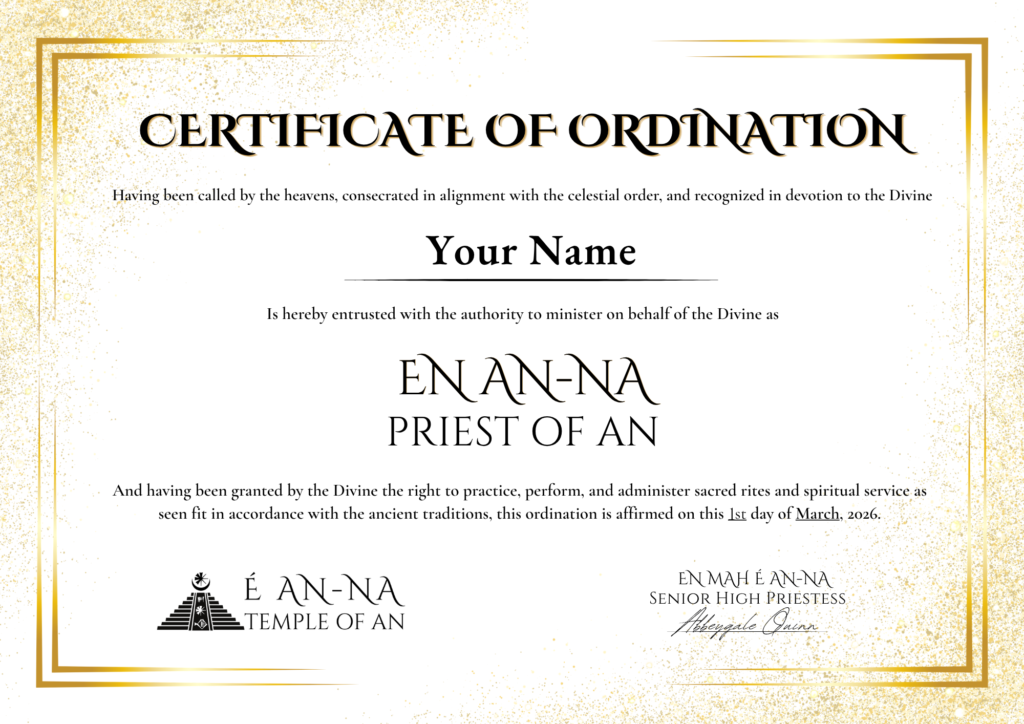
For those seeking a more formal path, the Temple offers two advanced levels of ordination. En-Gal (High Priest/Priestess) requires completion of ministerial training, while En-Maḫ (Senior High Priest/Priestess) requires both advanced training and demonstrated proficiency in Sumerian language and astrology.
Astrology—more properly understood as astral theology—is one of the oldest recorded spiritual practices in human history. In the ancient world, the movements of the heavens were not seen as random, but as meaningful expressions of divine order. The sky was understood as a living system through which the gods communicated—guiding decisions, shaping ritual calendars, and informing both personal and collective life.
Astrologers were not entertainers. They were priests and priestesses—interpreters of divine messages, serving as intermediaries between the gods and humanity.
The Modern Problem
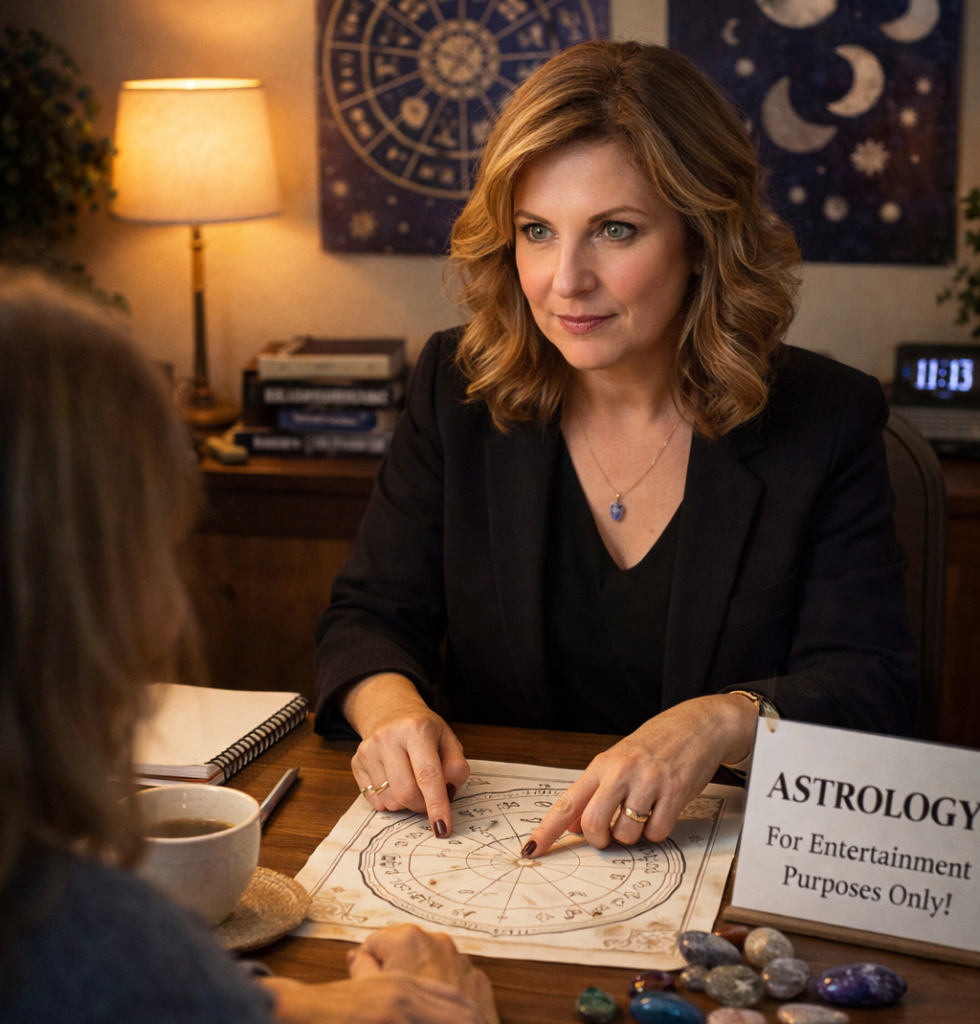
In the modern world, astrology has been reduced and redefined as entertainment. Practitioners are often pressured to include disclaimers such as “for entertainment purposes only,” stripping the practice of its spiritual significance and historical role. This is neither accurate nor necessary.
Astrology is a legitimate spiritual discipline. Those who practice it as such have the right to offer guidance, insight, and counsel grounded in their beliefs. They may do so in exchange for payment or donation, as with any other form of spiritual service.
Astrologers should not be required to present themselves as entertainers when they are acting in a spiritual capacity.
Every individual has the right to practice their spirituality according to their beliefs. Astrology, when practiced as a spiritual discipline, is a form of religious expression.
As an astrologer, you may:
Ordination is not required to do this. However, some practitioners choose to be ordained in order to formally affirm their role and operate within a recognized religious framework.

As an ordained minister of the Temple of An, you may:
In the United States, ordained ministers may also be eligible to perform legal ceremonies such as weddings, depending on state and local regulations.
Note: Laws vary by country and jurisdiction. While the United States provides broad protections for religious practice under the First Amendment, individuals outside the U.S. should review their local laws regarding religious recognition and ministerial authority.
Ordination affirms what has always been true: astrology is not entertainment—it is a spiritual practice.
As an ordained practitioner, you may operate with clarity and confidence, without diminishing your work or misrepresenting your role.
For those who wish to pursue a deeper path, the Temple offers the opportunity to undergo more formal training toward the role of En-Maḫ (High Priest/Priestess).
This training may include:
This path is intended for those seeking a more active and developed role within the Temple.
General ordination open to all astrologers and Mesopotamian spiritual practitioners.
Ordination granted upon completion of ministerial training.
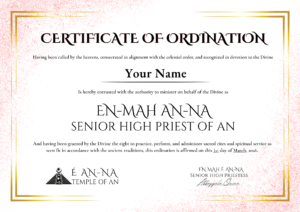
Senior High Preist(ess)
IŠIB: Incantation Preist(ess)
Priestess primarily concerned with with fertility, sexuality, midwifery, and sacred rites.
Specialist in incantations, ritual protection, and removal of negative forces.
All training provided by the Temple is offered as guidance, not authority. No institution can determine how you serve the gods or others—the gods themselves are the source of that calling.
Have questions? Here you’ll find clear answers about ordination, priesthood, and how to get started.
Yes. Ordination as an En (Priest/Priestess) is completely free and open to all who practice astrology as a spiritual discipline. You may optionally purchase a physical certificate, but it is not required.
No. Your authority comes from your relationship with the gods, not from any institution. Ordination simply affirms your role within a recognized religious framework.
No. Ordination is open to all levels. Whether you are just beginning or have years of experience, you may be recognized as a practitioner.
Yes. As a spiritual practitioner, you may offer your services in exchange for payment or donation, just as other religious practitioners do.
No. Astrology, when practiced as a spiritual discipline, is not entertainment. You are not required to present your work as such.
In the United States, religious practice is protected under the First Amendment, and ordained ministers may perform certain functions such as officiating weddings, depending on state law. Laws vary by country, so you should review your local regulations.
In many parts of the United States, ordained ministers may legally perform weddings. Requirements vary by state and locality, so you should confirm the rules where you live.
En is the general priesthood open to all. En-Gal requires ministerial training and represents a High Priest/Priestess. En-Maḫ is a more advanced level requiring both training and proficiency in Sumerian language and astrology.
No. Specializations are optional and reflect personal focus or calling. They are not assigned or regulated by the Temple.
No. Specialized titles are considered a matter between the practitioner and the gods, not something formally granted through Temple training.
Training includes spiritual counseling, ritual practice, ethical conduct, and foundational religious skills. Advanced training may include astrology and Sumerian language.
No. There are no required duties or commitments. Your practice is your own.
Yes. You are welcome to participate in rituals, study, and community activities without ordination.
© 2026 Temple of An. All Rights Reserved.